
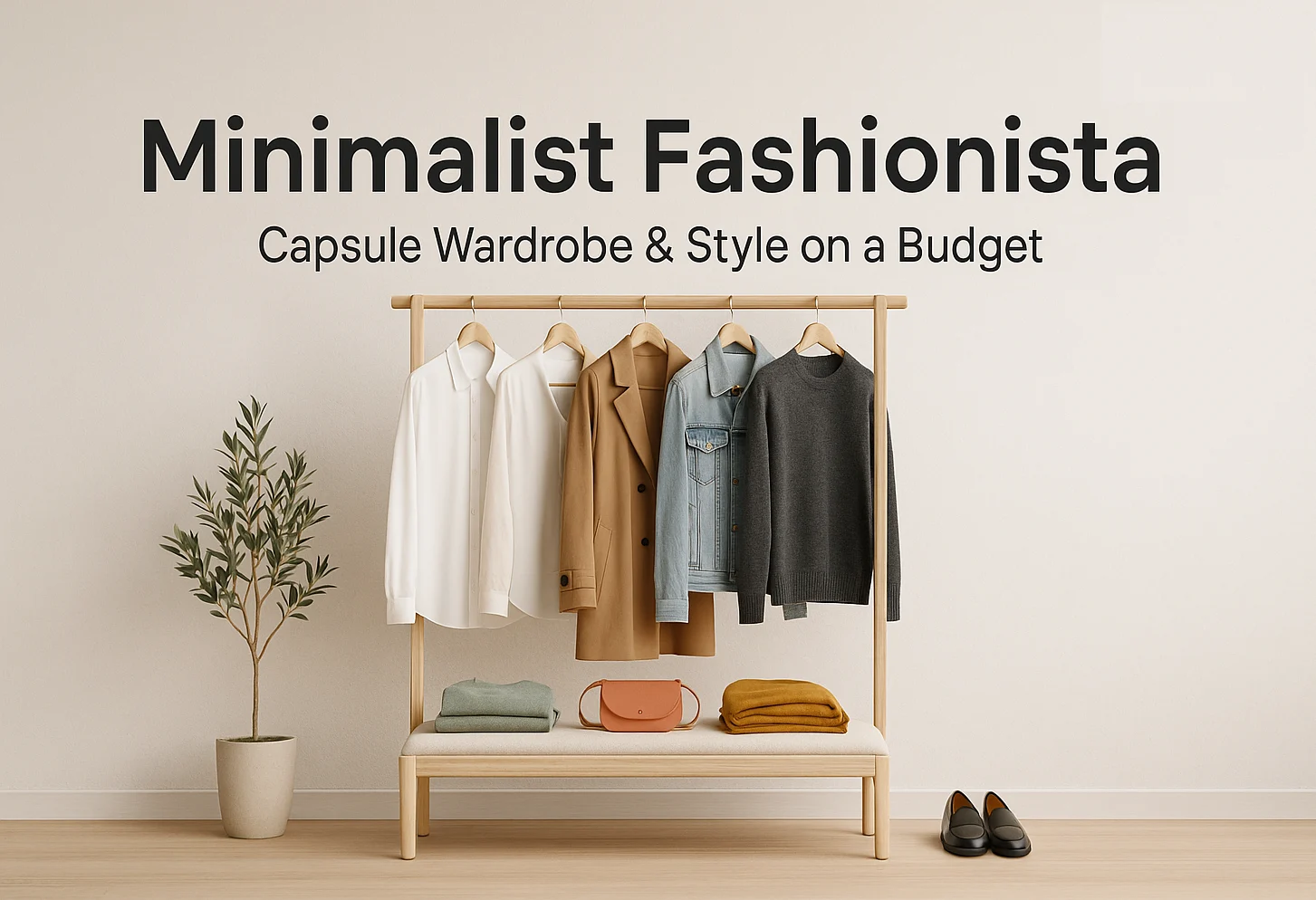
Overwhelmed by a cluttered closet or wasting cash on trends? Embrace the minimalist fashionista lifestyle in 2025! Build a capsule of versatile, well-made pieces that fit your life and budget. Simplify your style, reduce stress, and create sustainable outfits that reflect you. Ready to love every item in your closet? For the bigger picture, explore our frugal fashion guide.
Table of Contents
- Key Takeaways
- What Exactly is a Minimalist Fashionista?
- Build Your Capsule Wardrobe in 2025
- Smart Shopping for Minimalist Style
- Minimalist Fashionista Versatility: Make Every Piece Count
- Quick Style Wins
- Quality Matters: How to Spot Durable Fabrics
- Seasonal Shifts: Adapting Your Minimalist Wardrobe Year-Round
- Beyond the Closet: The Benefits of a Minimalist Lifestyle
- Minimalist Wardrobe Checklist
- Frequently Asked Questions
- Conclusion
Love a chic, simple wardrobe? Build a capsule that actually fits your life, with fewer pieces, more outfits, and less stress. Skip trend-chasing and lean on versatile basics you’ll wear on repeat. Bottom line: buy less, style more, so every outfit works harder for you. For broader savings, try our frugal living handbook.
Key Takeaways
- Simplify & Save: A minimalist wardrobe means fewer, more versatile clothes, leading to less stress, more money in your pocket, and a clearer sense of style.
- Build Your Capsule: Declutter, define your personal style, choose a core palette, and invest in quality basics that mix and match.
- Shop Smart & Sustainably: Thrift well, look for durable fabrics, consider ethical brands, and learn basic DIY tailoring.
- Maximize Versatility: Layer, accessorize strategically, and transition pieces between seasons to keep your style fresh year-round.
- Beyond Fashion: Minimalism can reduce your footprint and often frees up mental energy for what matters.
What Exactly is a Minimalist Fashionista?
A minimalist fashionista keeps a tight, easy wardrobe. It’s about quality, not quantity, and pieces that work hard. Picture opening your closet and liking every single item—fits well, feels good, mixes without effort. The goal is mindful buying and fewer impulse pickups. Confidence beats chasing trends. In 2025, this simpler approach can make getting dressed feel lighter. For a quick primer on the ideas behind minimalism, see this minimalism overview.
Build Your Capsule Wardrobe in 2025
Minimalist style starts with a small capsule wardrobe: timeless pieces you can mix without thinking. Start small, keep what you love, and fill gaps with quality basics. If you’re wondering how to build a wardrobe on a budget, begin by auditing what you already wear most, then fill gaps with versatile essentials.
Step-by-Step Guide
Here are quick capsule wardrobe tips to start: edit ruthlessly, stick to a core palette, and buy quality over quantity.
1. The Great Declutter
Take everything out of your closet and drawers. Sort using the “Love It, Live With It, Let It Go” method. Try on unsure items; if they don’t spark confidence, let them go.
2. Define Your Personal Style
Identify 3–5 style keywords (e.g., classic, comfortable, chic). Align your wardrobe with your lifestyle: work, casual, or active.
3. Choose Your Core Color Palette
Pick 2–4 neutrals (black, white, navy, grey, beige) and 1–3 accents that complement them. Example: Navy, White, Grey plus Mustard or Emerald.
4. Identify Versatile Basics
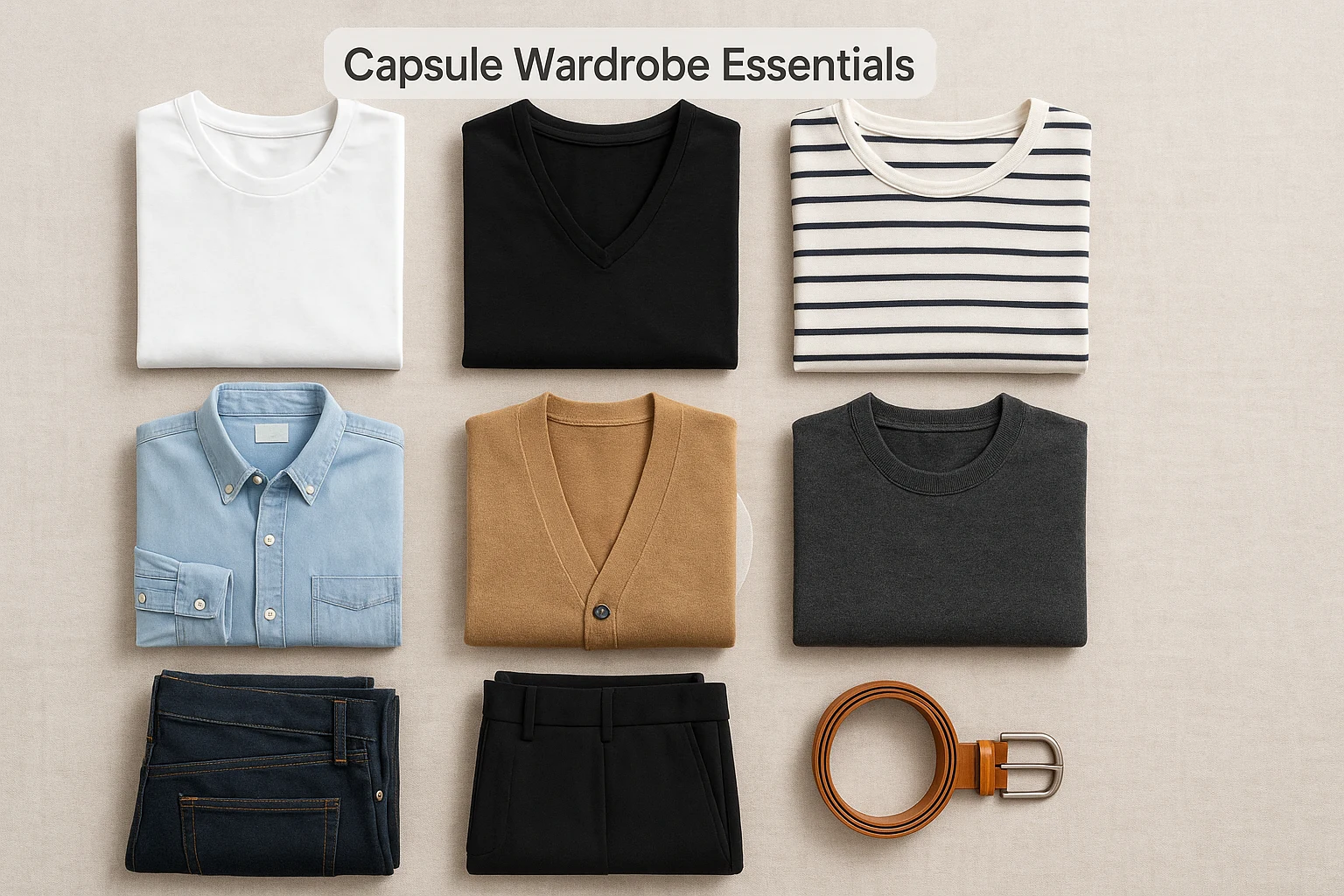
Well-fitting tees, a crisp button-down, dark jeans, tailored trousers, and a cozy sweater should anchor your looks.
This post contains affiliate links. If you buy through our links, we may earn a commission at no extra cost to you. Learn more.
| Category | Essential Items (Examples) |
|---|---|
| Tops | 3–4 basic t-shirts (white, black, grey); 2–3 long-sleeves; 1–2 button-downs (white or denim); 1–2 sweaters/cardigans |
| Bottoms | 1–2 jeans; 1 tailored trouser; 1 leggings/joggers; 1 skirt (pencil, A-line, or midi) |
| Dresses/Jumpsuits | 1–2 versatile dresses; optional jumpsuit |
| Outerwear | Trench or jacket; warm winter coat; denim jacket or blazer |
| Shoes | Sneakers; flats/loafers; ankle boots; heels/sandals |
| Accessories | Scarves; belts; simple jewelry; 1–2 versatile handbags |
Smart Shopping for Minimalist Style
Thrifting is a minimalist fashionista’s secret weapon. Hunt for gems like a Levi’s denim jacket or a silk blouse for under $20 at stores like Goodwill. See our detailed thrifting strategies to spot quality and clean finds. If you’re hunting for budget-friendly shoes that still work for a capsule, choose neutral sneakers or loafers with simple lines. They’ll match more outfits and last longer, plus a few top budget friendly clothing brands to try.
Fit, comfort, and care vary by person. If something’s close but not quite right, a quick trip to a tailor or cobbler can make a budget piece feel like a favorite.
Cheap in Style Shoes: What to Look For
Go for neutrals, clean lines, and solid build (stitched soles, supportive insoles). Comfort first. Wipe after wear and rotate pairs so they last.
Minimalist Fashionista Versatility: Make Every Piece Count
Start with neutrals—say black trousers and a white tee. Add a blazer for work or a scarf for a change-up. If pieces sit unworn, try a small tweak or an upcycle to give them a new role. Turn unworn items into fresh staples with creative clothing upcycling.
Quick Style Wins for Frugal Female Fashion
What Clothes Make You Look Taller
Lengthen your frame with monochrome outfits, vertical lines, and slightly cropped jackets. Choose mid- to high-rise bottoms and pointed shoes to extend the leg line without new purchases.
Clothes Make You Look Slimmer: Quick Tweaks
Try monochrome outfits, vertical lines, mid-rise trousers, and structured layers. Choose well-fitted (not tight) pieces, and favor smooth fabrics that skim, not cling.
- Silhouette tricks: Looking for quick slimming outfit tricks? Try monochrome outfits, vertical lines, mid-rise trousers, and structured layers.
- Shoe strategy: For budget-friendly polish, pick one pair of budget-friendly shoes in a neutral (white, black, tan) and rotate insoles to extend life.
- Mindset shift: This is practical frugal fashion: buy less, choose well, and style the same core pieces many ways.
- Fashion hack: Front-tuck a tee and add a structured layer to sharpen proportions instantly.
Quality Matters: How to Spot Durable Fabrics
Pick breathable naturals like cotton or linen. Look for tight seams and zippers that glide. Wash cold and air-dry. Not sure in-store? Check fabric weight and give it a gentle stretch—if it springs back, that’s a good sign. Choices like these support sustainable fashion design by favoring clothes you can repair and wear for years. For a deeper dive, see a neutral textile guide on fiber durability.
Seasonal Shifts: Adapting Your Minimalist Wardrobe Year-Round
Use a few easy layers to bridge seasons. Store off-season items in breathable bags. Keep two or three ‘bridge’ pieces handy—a light knit, a trench, ankle boots—and put the rest away.
1. Transitioning Pieces
Try a tee under a button-down, add tights to a midi skirt, and keep a light jacket nearby. Two or three smart layers beat a crowded closet.
2. Storing Off-Season Items
Clean items first, tuck them into breathable cotton bags, and add cedar to deter pests. Label bins so you can grab what you need fast.
3. Small Seasonal Additions
Swap just a few accessories: beanie and scarf for winter; straw tote and sunglasses for summer. Keep the core capsule consistent.
Beyond the Closet: The Benefits of a Minimalist Lifestyle
With a tight, curated wardrobe you’ll likely spend less, think less in the morning, shrink your footprint, and sharpen your personal style.
1. Financial Savings
Fewer impulse buys and longer-lasting pieces usually mean a lower clothing bill.
2. Reduced Decision Fatigue
A smaller, more cohesive closet tends to make getting dressed faster—and calmer.
3. Environmental Impact
Buying less and caring for garments may help cut waste and emissions across a garment’s lifecycle. Sustainable fashion examples include repaired denim, responsibly sourced cotton, and re-dyed pieces.
4. Enhanced Personal Style
With distractions removed, your signature look has room to shine.
Minimalist Wardrobe Checklist
Plan your 2025 capsule wardrobe with this checklist. Use a style preset to auto-select recommended items, then tweak as you like. Nothing is pre-selected.
0 items selected · 0%
Quick Start: Style Presets
Presets only check items when you click them.
Tops (Basic & Versatile)
Bottoms (Foundation Pieces)
Outerwear & Dresses (Key Layers)
Shoes & Accessories (Finishing Touches)
Frequently Asked Questions
Conclusion
Being a minimalist fashionista isn’t a fad—it’s a practical, confidence-building way to dress. Build a thoughtful capsule, shop on purpose, use your pieces in more ways, and enjoy the ease of owning less.
This guide shares general style and budgeting information. It isn’t professional, financial, or medical advice. Make purchases and alterations at your own discretion.