
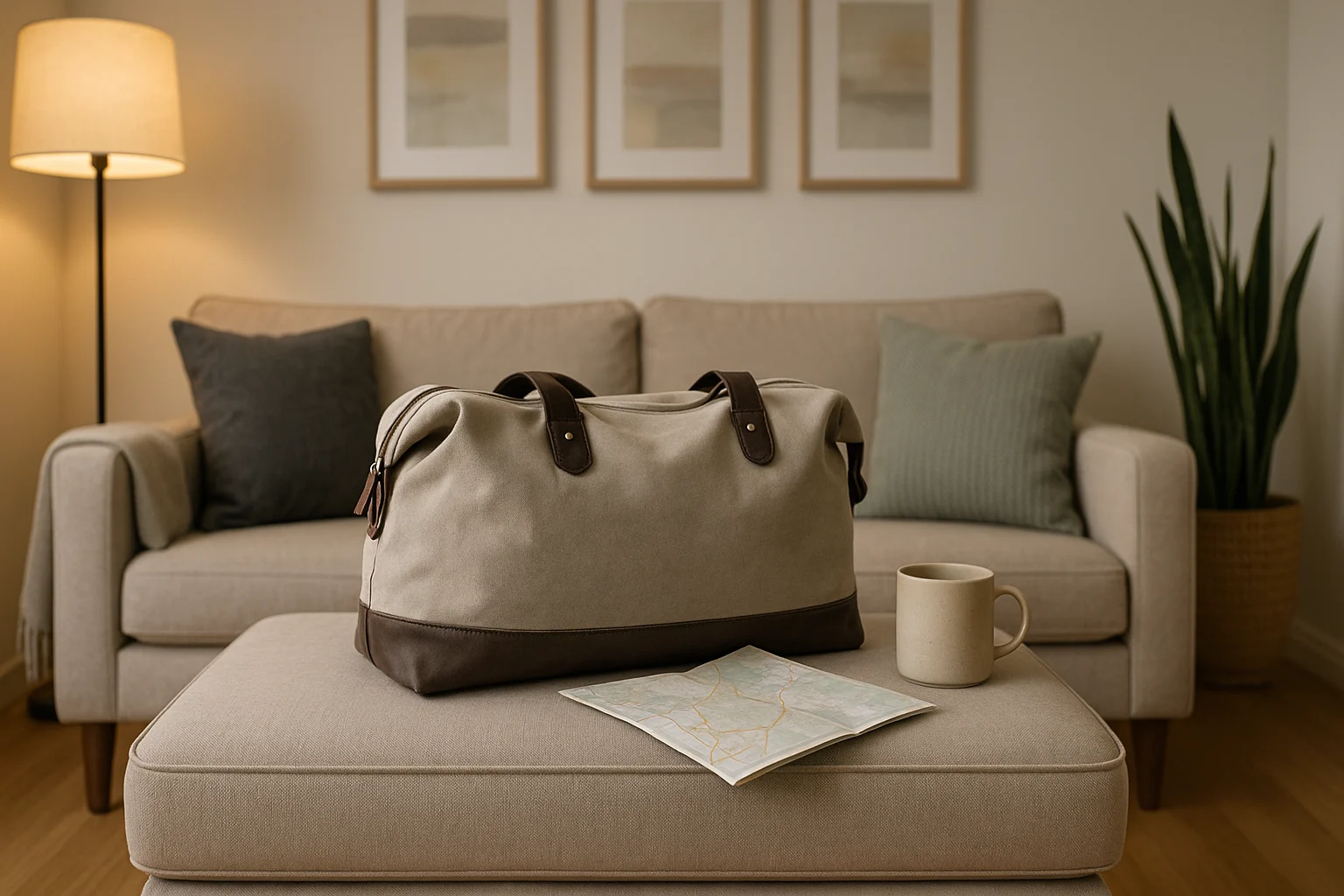
A staycation can easily turn into a normal weekend with better snacks. The difference is whether you protect the time and build the day around one main experience. These staycation ideas help you do that with seven ready-to-use playbooks, six quick half-day plans, a local-route formula, and a three-question planner. Most can stay under $50 when you use what you already own and spend only on the part that makes the day feel special.
A staycation is a vacation spent at home or close enough to return the same day. Pick the feeling you want—rest, novelty, connection, or adventure—then choose a plan that fits your time and budget. Start with the planner below, or jump straight to the playbooks if you already know what sounds good. For more low-cost ways to enjoy your free time, see our frugal entertainment guide.
Table of Contents
- Build Your Staycation Plan
- Choose by Mood, Time, and Budget
- 7 Ready-to-Use Staycation Ideas
- 6 Quick Half-Day Staycation Ideas
- Find Staycation Ideas Near You
- Keep It From Feeling Like a Normal Weekend
- Sample 2-Day Staycation Itinerary
- Frequently Asked Questions
- Pick One Plan, Then Stop Planning
Start here if you want a recommendation instead of another long list of ideas. The planner will narrow the options to one staycation route that fits the kind of break you want.
Build Your Staycation Plan
Answer three quick questions about the kind of break you want, the time you have, and your spending cap. You’ll get a three-part plan and a link to the matching playbook.
What kind of break sounds best?
Choose a Staycation Idea by Mood, Time, and Budget
If the planner gave you a clear match, jump straight to that playbook. If you are still deciding, compare the options below by mood, time, and example spending cap. These are planning examples, not live local prices; your real total depends on what you already own and local admission or transit costs.
| Plan | Best for | Time | Example cap |
|---|---|---|---|
| Spa Reset at Home | Solo rest or a quiet couples day | Half-day or full-day | $10–$25 |
| Foodie Tour | Couples, friends, or solo cooks | Full-day | $20–$50 |
| Anniversary Staycation | Couples who want a planned date | Evening or full-day | $10–$40 |
| Backyard Campout | Families, couples, or friends | Evening or overnight | $5–$30 |
| Culture Crawl | Solo explorers, couples, or friends | Half-day or full-day | $10–$50 |
| Creative Retreat | Solo focus or a small group | Half-day or full-day | $0–$35 |
| Kid-Venture Day | Families with mixed attention spans | Half-day or full-day | $5–$30 |
Choose the plan that matches the energy you want, not the one with the most activities. To stay under budget, pay for one memorable highlight and build the rest from home, free public spaces, or library resources. A restful staycation should stay light; an adventurous one still needs breathing room.
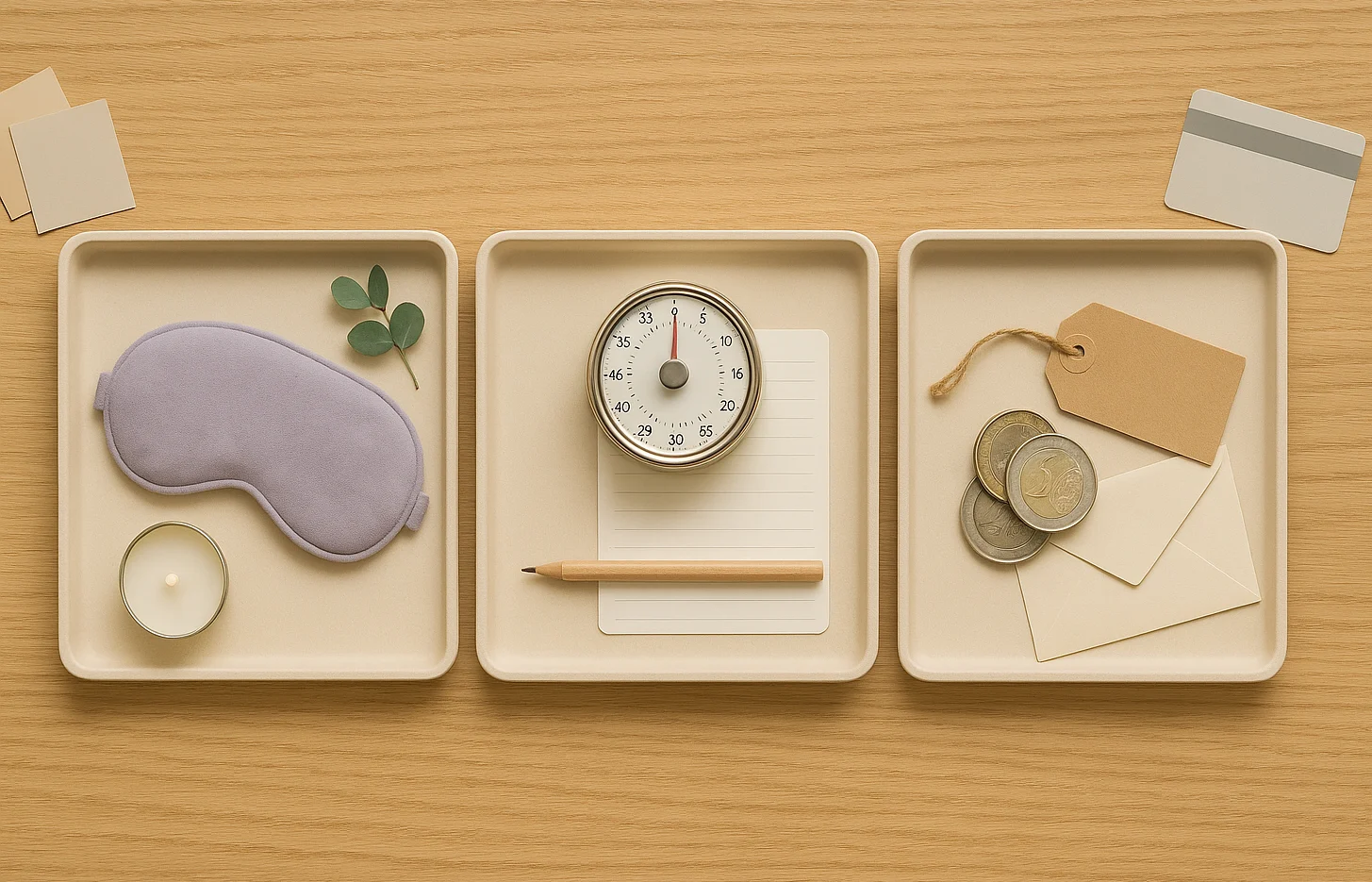
7 Staycation Ideas With Ready-to-Use Playbooks
These seven playbooks are designed to be followed, not merely saved. Each includes who it suits, one main experience, a practical sequence, and a clear finish. Use the full version or trim it to the time and budget from the planner.
Spa Reset at Home
Best for: solo rest, a quiet day with a partner, or anyone who wants less stimulation rather than more.
Start by clearing the bathroom and one comfortable room, putting clean towels and a drink within reach, and choosing a no-phone window. Follow with a warm bath or shower, gentle stretching, a simple lunch, and a reading or nap block. Finish with an easy dinner and an early night instead of adding another activity.
Keep the example cap around $10–$25 by using products you already own and choosing only one optional treat, such as a face mask, favorite tea, or dessert.
Foodie Tour: A Staycation at Home
Best for: couples, friends, or solo cooks who want the day to revolve around one memorable meal.
Choose one cuisine or region, then build the day around a market stop, one highlight ingredient, and a simple menu you can actually finish. Add a playlist, set the table differently, and serve the meal in courses so dinner feels like the event rather than another weeknight task. Use our frugal meal-planning guide to stretch pantry staples around the one ingredient you want to feature.
A practical $20–$50 cap might reserve $8–$15 for the highlight ingredient, use pantry basics for sides, and leave a small amount for dessert or a café stop.
Staycation Anniversary Ideas for Couples
Best for: couples who want the day to feel intentional without turning it into an expensive production.
These staycation ideas for couples work well for an anniversary, date night, or ordinary weekend that needs a reset. Choose one tone and let it guide the whole plan:
- Playful: make 15-minute appetizers, swap short playlists, and play a best-of-three board game.
- Cozy: set up a living-room picnic, exchange handwritten notes, and take a dessert walk.
- Elegant: dress for a two-course dinner at home, learn one short dance, and finish with coffee or dessert somewhere nearby.
For staycation ideas for couples near you, add one local highlight—a waterfront walk, garden, overlook, gallery, or café—and keep the travel radius small enough that the outing does not take over the day.
Backyard Campout & Stargazing
Best for: families, couples, or friends who want an adventure without a long drive.
Set up a tent, screened porch, or indoor blanket fort before dinner. Make one camp-style meal, tell stories or play cards, then use a stargazing app or simple sky map after dark. The next morning, have an easy breakfast outside before packing up so the experience has a real ending.
Fire safety: check current local restrictions, use only permitted fire areas, keep water nearby, never leave a fire unattended, and drown and stir every ember until it is cold to the touch. The National Park Service campfire guidance explains the basic extinguishing process. When fire is not clearly permitted, make stovetop or microwave s’mores instead.
Culture Crawl & Local Explorer
Best for: anyone who wants novelty, movement, and a reason to see a familiar area differently.
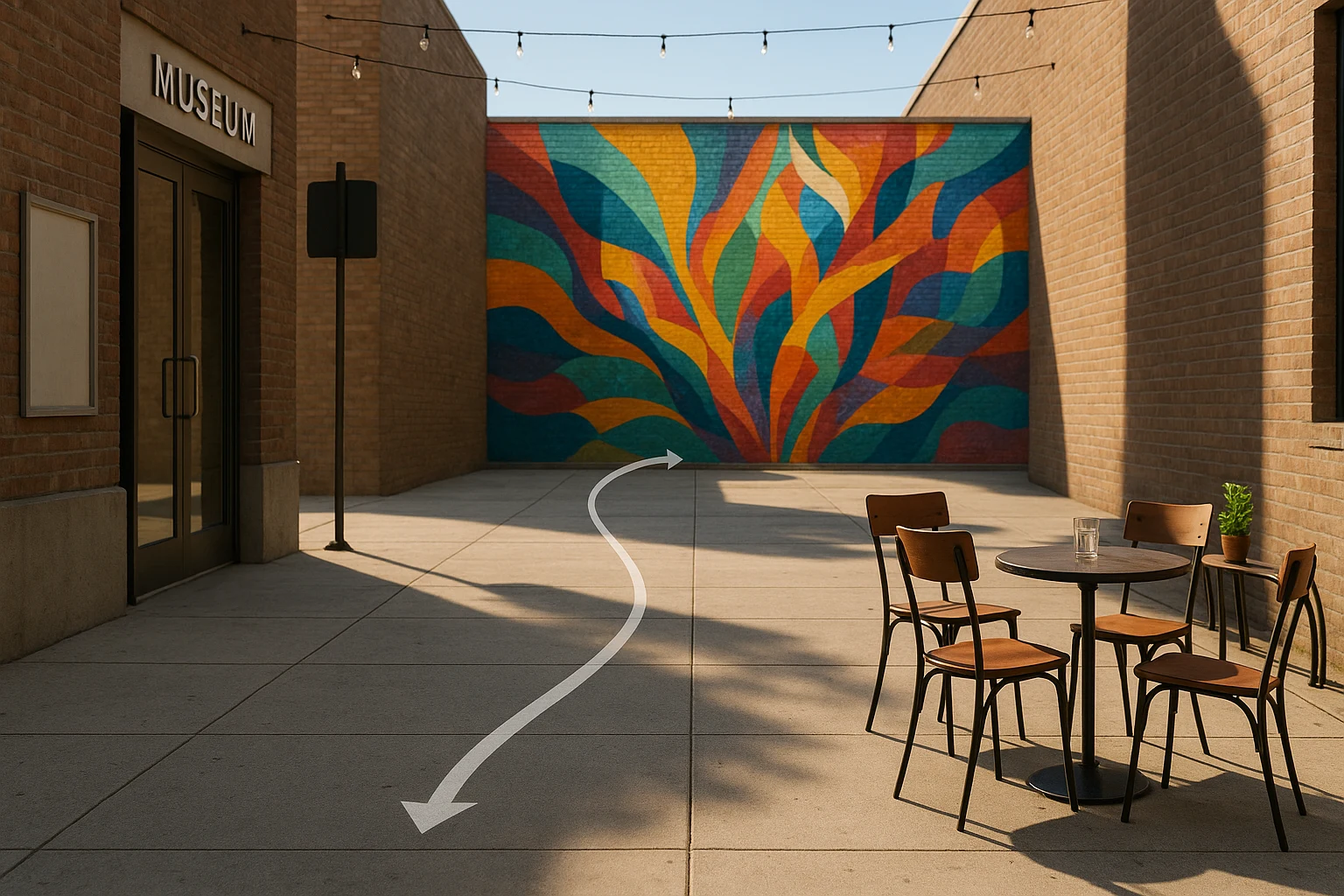
Choose one main stop—a museum, public-art district, garden, historic building, or waterfront—then add one walk and one small treat. Check official hours, eligibility, reservations, admission rules, accessibility, and transit before leaving. Library passes and free-admission programs can reduce the cost, but availability varies by location.
For an outdoor-first route, use our guide to free outdoor activities near you.
Creative Retreat & DIY Workshop
Best for: solo focus, a friend date, or anyone who keeps saying they will make something “when there is time.”
Choose one finished outcome before gathering supplies: a small painting, repaired garment, photo walk, song practice session, collage, or simple home project. Limit the supply list to three essential items, protect a two- or three-hour making block, then end by displaying, sharing, or using what you made.
If your library has a makerspace, check whether reservations, training, age limits, or material fees apply. The goal is a completed first version, not a new pile of equipment.
Kid-Venture Day
Best for: families who need short activity blocks and a plan that can pause or change direction.
Use three stations rather than an all-day schedule: a costume or craft station, an active challenge such as an obstacle course or treasure hunt, and a calm finish with stories or a movie. Put snacks and cleanup supplies where children can reach them, and keep one backup activity ready for weather or energy changes.
Keep food simple enough that it does not become a fourth activity: set out pantry snacks, choose one easy dinner, and prep only what helps the day run smoothly.
For more low-cost family routines, see frugal living with kids.
6 Quick Staycation Ideas for a Half-Day
Need something you can do today? Each loop combines one main activity with one easy change of scene. The example caps assume you reuse supplies, carry water, and skip optional treats when local costs are higher.
- Calm morning + library-pass museum: tea, a slow stretch, and a DIY facial at home; then a small museum where an eligible pass is available. Check reservations first. Example cap: $5–$10.
- Market-to-table lunch: buy one seasonal ingredient, make a simple lunch, and take a 20-minute neighborhood walk. Example cap: $10–$15.
- Park loop + sketch break: walk or take transit to a park, spend 45 minutes exploring, and stop for 20 minutes of drawing or photography. Example cap: $2–$6.
- Mural crawl + coffee: follow a public-art map, choose five stops, and finish with one small drink or snack. Example cap: $5–$8.
- Cozy craft + sunset: spend one hour on a simple project, then walk or ride to a safe, open overlook before dark. Example cap: $3–$7.
- Backyard camp sampler: build a fort, make indoor s’mores, and spend 30 minutes looking for stars or listening to nighttime sounds. Example cap: $3–$6.
How to Find Staycation Ideas Near You
Start with official local sources rather than a generic “things to do” list. Check your city or county parks page, library pass program, public-art map, transit agency, museum calendar, and tourism office. Look for one main stop that is open and reachable, then build the rest of the day around it.
Keep the Radius Small
A useful local route fits inside roughly 30 minutes of travel each way. Pair one main stop with one walk and one treat, and leave an unscheduled hour so the day does not become another checklist. Without a car, use one transit line or bike-share corridor instead of crossing the entire city.
Use the One-Anchor Route Formula
Try searches such as “city library museum passes,” “county parks events,” “public art map,” “free museum hours,” or “transit day pass.” Confirm the details on the official page, then build a route such as garden → picnic → café, mural district → lunch → waterfront, or museum → park → dessert.
Looking for staycation ideas in Florida? Build around an early beach or boardwalk walk, a spring or state-park visit when conditions allow, and an indoor backup for heat or storms. Check official weather, park alerts, parking, swimming conditions, and closing times before leaving.
Weather backup: Pair every outdoor plan with one nearby indoor substitute—a library, museum, market, café, makerspace, or home activity—so the day still has a plan if conditions change.
For more no-cost stops, browse our list of best freebies for frugal living.
How to Keep a Staycation From Feeling Like a Normal Weekend
Whether you stay home or go local, protect the plan from the routines that make ordinary life take over. The activity matters less than the boundary around it. Use this four-part rule:
- Declare the start and finish. Put the time on the calendar and decide when ordinary responsibilities resume.
- Choose one anchor experience. Make one activity the reason the day feels special: a spa block, cooking project, local route, campout, or creative session.
- Change the setting. Tidy one room, change the lighting and music, set a different table, or leave the neighborhood for a short local route.
- Protect the budget and the mood. Set the spending cap before you begin, silence nonessential notifications, and move chores outside the staycation window.
Ten-minute setup: Pick the main activity, choose the start and finish, set out the first supplies, and write down the one thing you are not doing during the break.
Sample 2-Day Staycation Itinerary
This two-day plan combines recovery at home with one local outing. Move the times to fit your household, but keep the sequence: settle in, enjoy one main event, sleep, then explore locally without overfilling the second day.
- Day 1 morning: clear one room, silence nonessential notifications, make a slow breakfast, and start a spa or creative block.
- Day 1 afternoon: prepare one comfort meal, take a short walk, and leave at least an hour unscheduled.
- Day 1 evening: set the table differently, watch one chosen movie or play a game, and end at a planned time.
- Day 2 morning: follow a local route with one main stop, one walk, and water or snacks from home.
- Day 2 afternoon: have a picnic or simple lunch, take photos only if you want them, and return before the outing becomes tiring.
- Day 2 close: spend ten minutes putting supplies away and write down the one part you would repeat next time.
A $45 example cap could reserve $15 for one special ingredient, $10 for transit or parking, $10 for picnic food, and $10 for one treat. Use a lower cap when you can walk, cook from the pantry, and choose free stops. The same structure works for a low-cost weekend getaway close to home.
Frequently Asked Questions
Pick One Plan, Then Stop Planning
Return to the staycation planner and choose one playbook. Write down three things: when the break starts and ends, what the main event is, and what you are deliberately not doing. Gather the first supplies now, then leave the rest of the schedule light.
A good staycation is not the one with the longest itinerary. It is the one that feels protected enough to become a real memory instead of another day at home.
This guide includes general local-outing and campfire safety reminders. Check current weather, closures, park rules, transit details, and fire restrictions for your location. Never leave a fire unattended, and fully extinguish it until every ember is cold to the touch.