
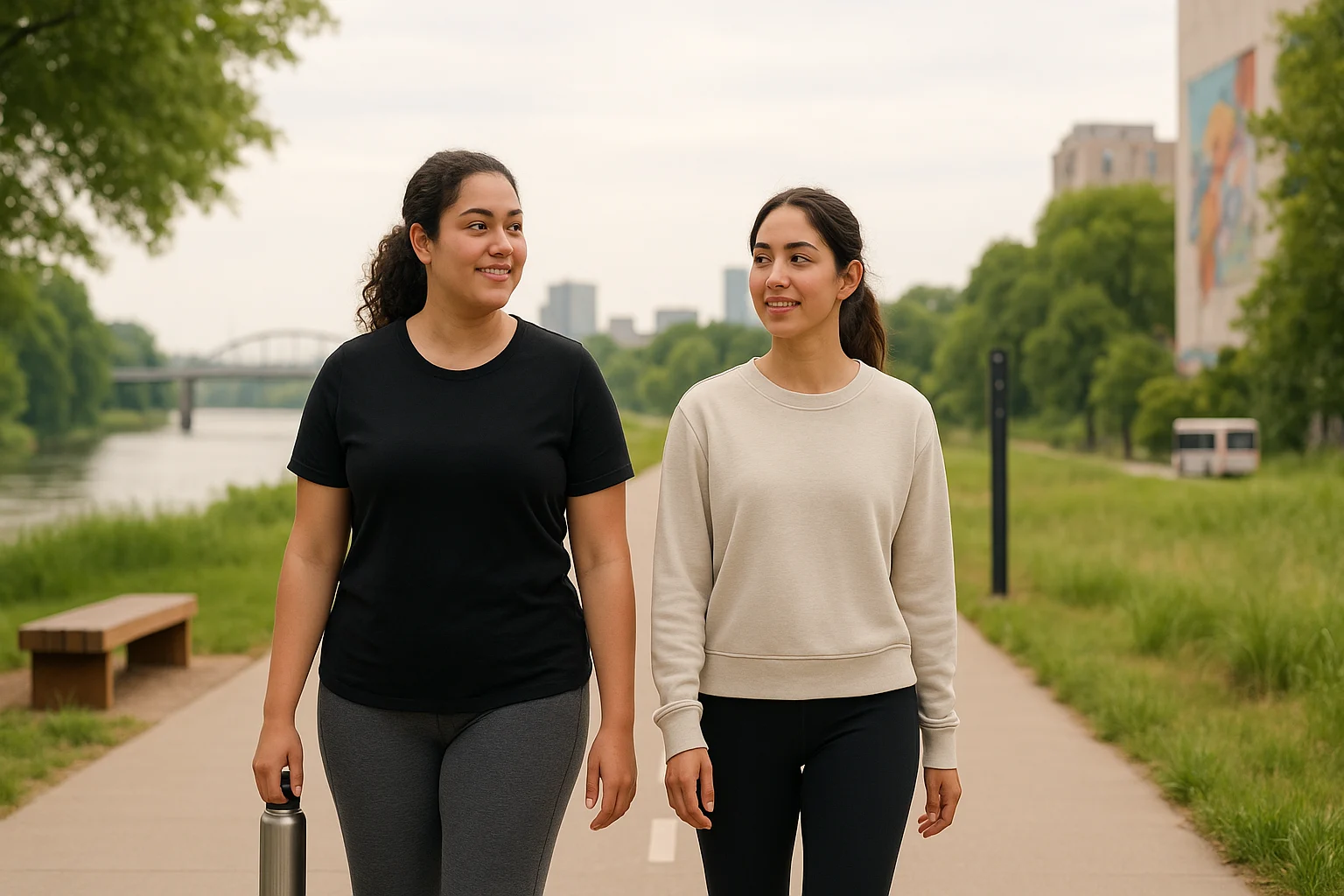
A list of ideas is easy to find. The real challenge is finding one that is actually free, open, and easy to reach today. Paid parking, reservations, long transit gaps, and vague “near me” lists can turn a simple outing into more work than it is worth.
This guide helps you choose one realistic plan, find a local place, check hidden costs and access details, and leave with a 30-minute to 2-hour outing you can repeat. It starts with a quick planner, then gives you local-search steps, place-based ideas, and ready-made plans by time. For more no-spend ways to enjoy time at home and nearby, see our frugal entertainment guide.
Table of Contents
- Build a Free Outdoor Plan That Fits Your Day
- How to Find Free Outdoor Activities Near You
- Free Outdoor Activities by Place: What to Do There
- Ready-Made Outdoor Plans by Time
- Check Before You Go
- Common Questions About Free Outdoor Activities
- Your Next Move: Pick, Check, Go
Before you open another map or list, narrow the day to one reachable place, one purpose, and one realistic time limit.
Build a Free Outdoor Plan That Fits Your Day
Choose the kind of outing you want, what you can realistically reach, and how much time you have. You’ll get one workable plan, a local search phrase, and the most important details to check.
Choose an outing goal, an easy-to-reach option, and a time limit.
Find a real place:
Check first:
How to Find Free Outdoor Activities Near You
Your planner result gives you a place type and a search phrase. Now turn it into a real destination: search results often mix free public spaces with paid tours, parking fees, reservations, or places that are closed today. Start with an official local source, then confirm the exact entrance and return route.
| Search phrase | What it can uncover | What to confirm |
|---|---|---|
| “outdoor activities near me today” + your city | Broad ideas and places open today | Official page, hours, admission, parking, and closures |
| [city] parks and recreation | Parks, fields, programs, splash pads, and events | Public access, reservations, restrooms, and seasonal hours |
| [county] trail map | Greenways, rail-trails, and multi-use paths | Surface, grade, closures, distance, and permitted users |
| [city] public art map | Murals, sculptures, and self-guided walks | Route length, lighting, and whether stops are outdoors |
| [transit line] trailhead | Car-free routes to parks and paths | Exact entrance, last return trip, and the final walk from the stop |
Location wording varies. Someone in Arizona may search “outdoor activities Phoenix,” while a New York reader may try “outdoor activities on Long Island.” Whatever phrase you use, open the official city, county, park, or transit page before trusting hours, fees, or access details.
No Car? Measure Door-to-Door Time
Nearby should mean easy to reach, not simply close on a map. Check the entrance closest to your stop, the last return trip, sidewalks or trail access, and whether the route is well lit. Save the map or screenshot the entrance before you leave. If weather or daylight rules out the trip, use our best freebies for frugal living guide to choose a no-spend backup.
Free Outdoor Activities by Place: What to Do When You Get There
Once you have a real location, add one simple purpose. A place, a purpose, and a time limit turn “go outside” into a plan you can actually start.
Parks and Green Spaces
Best for a low-friction outing. Walk a 20-minute loop, bring a picnic, watch birds, make a photo scavenger hunt, people-watch, or use the playground. Before you go, check the entrance map for restrooms, water, shade, seating, accessible paths, dog rules, and playground hours.
Trails and Greenways
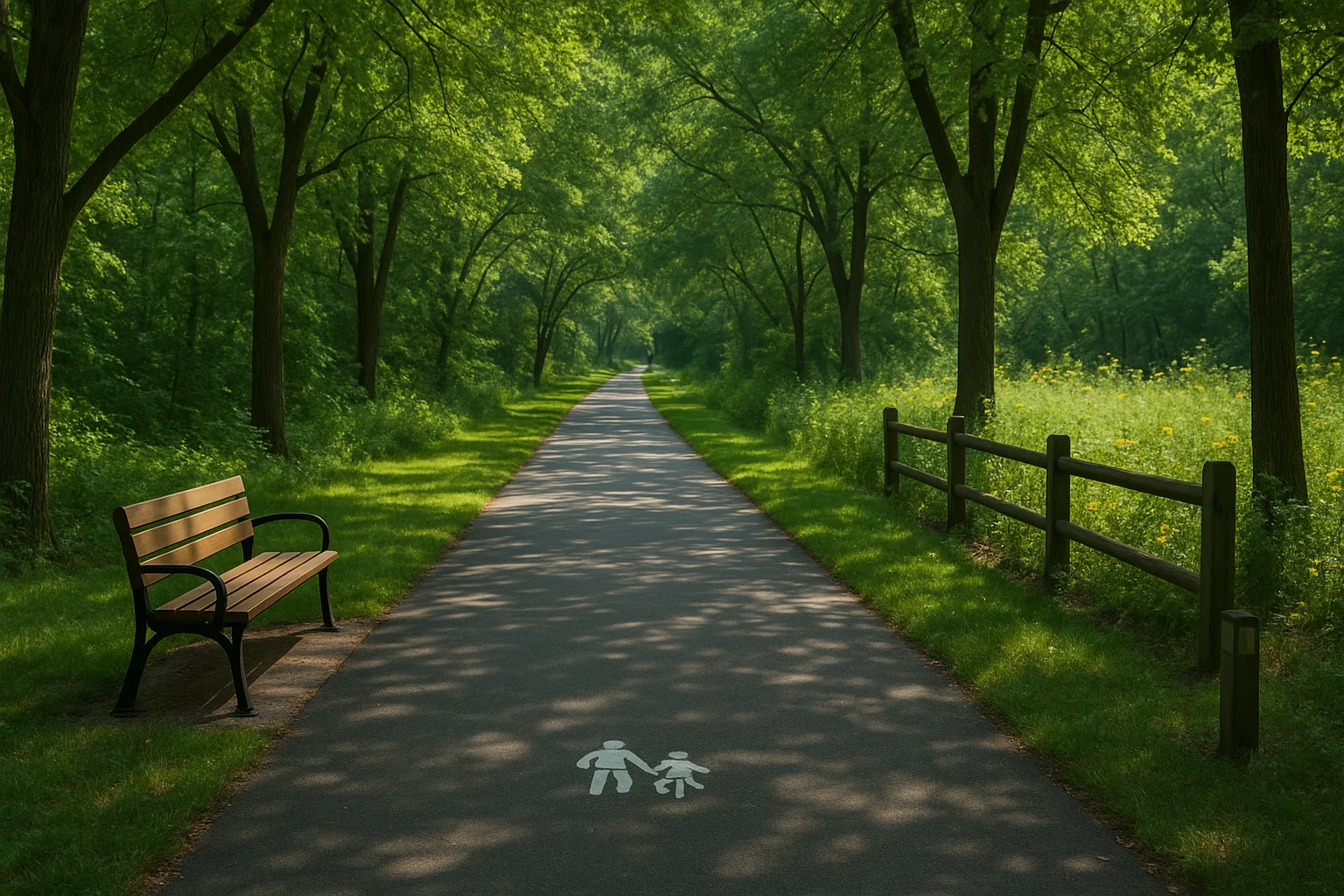
Best when you want steady movement. Choose a flat rail-trail walk, an easy walk–jog interval, a bike ride on a signed multi-use path, or a quiet “notice five sounds” walk. If rail-trails are new to you, the Rails-to-Trails Conservancy primer explains the basic format and typical users. An out-and-back route is easier to shorten than a loop.
Waterfronts and Overlooks
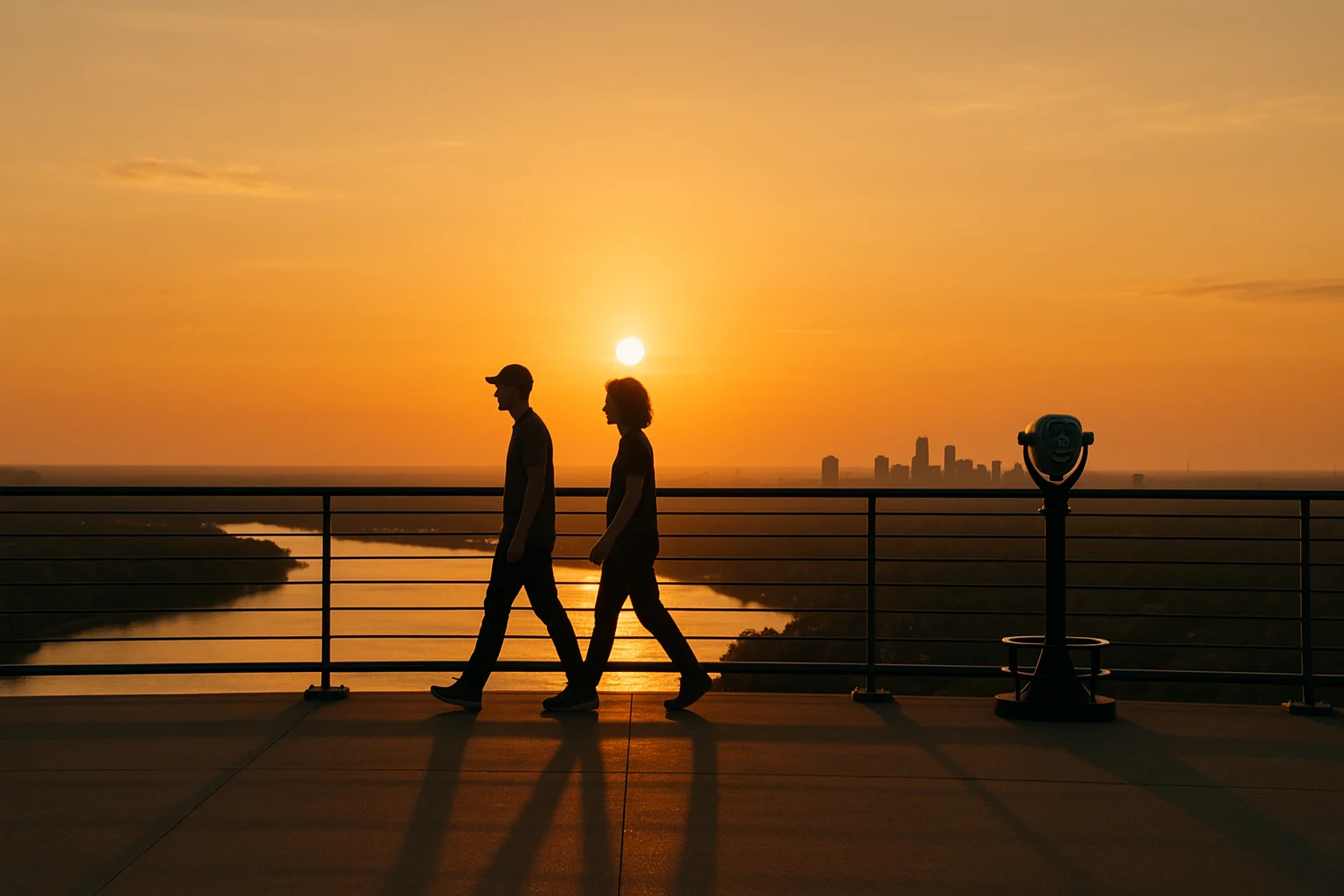
Best for views without a complicated itinerary. Take a sunrise stroll, watch the sunset, power-walk a boardwalk, spot ships, or beachcomb where local rules allow it. Check posted hours, water or tide conditions when relevant, lighting, barriers, fishing permits, and whether the return route stays open after sunset.
Public Art, Gardens, and Nature Centers
Best when you want a walk with a built-in purpose. Try a three-mural photo route, sculpture hunt, architecture loop, community-garden visit, or short nature-center trail. City art maps and garden noticeboards can reveal routes and volunteer hours. With children, turn the outing into a color, texture, or shape hunt; these frugal living with kids ideas can help extend the day without adding much cost.
Free Group Activities and Community Events
Best when you want structure or built-in company. Look for a free weekly 5K such as parkrun, outdoor yoga hosted by a park or library, a volunteer cleanup, pickup sports, or a free seasonal nature program. Registration, schedules, and weather cancellations vary, so confirm with the organizer before leaving.
Ready-Made Outdoor Plans by Time
Choose the time limit before you add stops. The shortest plan that feels easy enough to start is usually the best one.
30-Minute Reset
Walk one park or garden loop, sit for five minutes, and return by the same route. This is the best default when energy, weather, or daylight is limited.
60–90-Minute Outing
Choose one trail, waterfront, or public-art route. Spend most of the time on the main activity and leave a 15-minute buffer for the walk back, transit wait, or a change of plans.
2-Hour Neighborhood Loop
Combine nearby stops only when they share the same route; skip any detour that turns the outing into a transport problem.
- Start: walk or take transit to a central park (20–30 minutes).
- Main stretch: picnic and greenway or waterfront walk (45 minutes).
- Detour: one mural, garden, or sculpture stop (20–30 minutes).
- Finish: a viewpoint or quiet bench, then the simplest route home (15–20 minutes).
If you want to turn the outing into a fuller low-cost day, build around it with these staycation ideas.
Check Before You Go: Keep the Day Truly Free
A list of activities that are free is only useful if the whole outing stays free. Before you leave, check these five things—not just admission.
- Cost: admission, parking, reservation fees, permits, equipment requirements, and transit fare.
- Access: exact entrance, surface, grade, curb cuts, restrooms, seating, shade, and seasonal closures.
- Conditions: weather, daylight, trail or waterfront conditions, and local alerts.
- Route: return transit times, a downloaded map or screenshot, and a plan shared with someone when the route is unfamiliar.
- Pack: water, a charged phone, sun protection, a light layer, a small snack, and any personal medication you need.
Bringing food from home is usually the easiest way to keep a longer outing at $0; use these frugal meal planning ideas if you want a simple picnic plan.
Planning a U.S. park visit? The National Park Service’s trip-planning guide covers conditions, permits, maps, and sharing your plan before you go.
Common Questions About Free Outdoor Activities
Your Next Move: Pick, Check, Go
Choose one place, set a realistic time limit, and check cost, access, conditions, and the route home. If you still cannot decide, use the planner and take the first result that fits your real route, available time, and daylight.
The goal is not the most impressive outing. It is a free plan simple enough to start today—and easy enough to repeat next week.
This guide offers general planning ideas, not professional medical or safety advice. Follow local rules and posted signs, check current conditions and weather, stay on signed routes, and choose an outing that fits your health and mobility needs. Seek qualified advice when needed.