
A good hobby should give you something to look forward to, not a new monthly bill. The problem with many lists of affordable hobbies is that they quietly assume you already own the gear, have a spare room, or will ignore the cost once you get interested.
This guide uses a stricter test: can you make a real first attempt for less than $50, using borrowed, reused, secondhand, or entry-level supplies where that makes sense? Each idea includes a starter-budget estimate and the most likely cost risk, so you can shortlist one that fits your space, energy, and normal week before buying more. Local prices, class fees, permits, and what you already own will change the math. For more low-cost ways to use your free time, see the frugal entertainment guide.
Table of Contents
- What “under $50” actually means
- How to choose an affordable hobby to try first
- 15 free or almost-free hobbies
- 13 hobbies you can start for under $15
- 12 hobbies you can start for under $30
- 10 hobbies you can start for under $50
- How to keep a cheap hobby cheap
- Free resources that stretch your budget
- Common questions about affordable hobbies
- Your next step: test one hobby
What “under $50” actually means
“Under $50” means you can complete a genuine beginner session—not merely buy one incomplete part of a future setup. It may mean using a phone you already own, borrowing a tool, choosing a community class instead of a private lesson, or buying one versatile supply rather than a full kit.
The $50 limit applies to starting, not to every possible version of the hobby. Photography can begin with a phone and still become expensive. Sewing can begin with hand repairs and eventually involve a machine, fabric stash, and dedicated table. The useful question is whether you enjoy the activity before the upgrade cycle begins.
The guide separates the trial cost, the useful starter setup, and the recurring cost. A $35 starter kit that lasts for months may be easier on the budget than a “free” social activity that requires paid parking, food, and a long drive every week.
How to choose an affordable hobby to try first
The best affordable hobby is one that fits your real constraints. Before choosing, answer five questions:
- Do you want to make, move, learn, observe, or connect?
- How much setup can your space handle? A notebook is different from clay, fabric, or garden soil.
- Do you need a solo reset or a social reason to leave the house? If meeting strangers feels awkward, choose a structured task—a class, swap, game, or volunteer shift—so the activity supplies the conversation.
- Would you rather repeat a skill or finish separate projects?
- What will it cost after the first week?
Use this as a shortlist, not a verdict. Pick the row that best matches your actual week, then select one linked hobby to jump directly to its starter step and cost risk.
| Your situation | Good first choices | Main trade-off |
|---|---|---|
| Mentally tired after work | Walking routes, journaling, library reading | Weather or low energy can break the routine |
| Small rental or almost no storage | Origami, chess, calligraphy, visible mending | Supplies still need one defined drawer or box |
| Screen-free creative progress | Collage, embroidery, watercolor, linocut | Large kits and one-use tools create clutter |
| More movement | Bodyweight strength, casual badminton, social dancing | Classes, memberships, and specialty clothing |
| Fun outdoor hobbies with little gear | Birdwatching, geocaching, disc golf, nature identification | Transport, weather, and local access vary |
| A structured way to meet people | Volunteering, language exchange, puzzle swaps, dancing | Transport, dues, food, or fixed schedules |
| A useful household skill | Visible mending, hand sewing, bread baking, herb gardening | Practice can turn into equipment shopping |
| The lowest ongoing cost | Walking, writing, singing, chess, library reading | Free only stays free when travel and subscriptions stay low |
Use the three-session test: Set a maximum trial budget, schedule three ordinary 20-minute sessions, and record one sentence after each: Did I anticipate it, enjoy it, or want to improve? Continue, change, or stop without treating the experiment as failure.
15 free or almost-free hobbies
These use your attention, time, or things you probably already own. “Free” still depends on avoiding new transport, storage, subscription, or event costs.
1. Walking new routes
Starter: $0. Map a different 20-minute loop and give it a theme such as trees, murals, architecture, or sunrise. Cost risk: Do not let every walk become an errand or require a drive.
2. A library reading challenge
Starter: $0 with a library card. Choose one small rule—short books, one genre, or authors from five countries—and keep a log. Cost risk: Borrow first; buying every book creates cost and storage.
3. Journaling
Starter: $0 with paper you own. Fill one page with notes, sketches, lists, or details you noticed. Cost risk: Start with the cheapest notebook already in the house.
4. Creative writing
Starter: $0. Write one 300-word scene, tiny mystery, poem, or fan-fiction moment each week. Cost risk: Write before researching publishing software or elaborate systems.
5. Phone photography
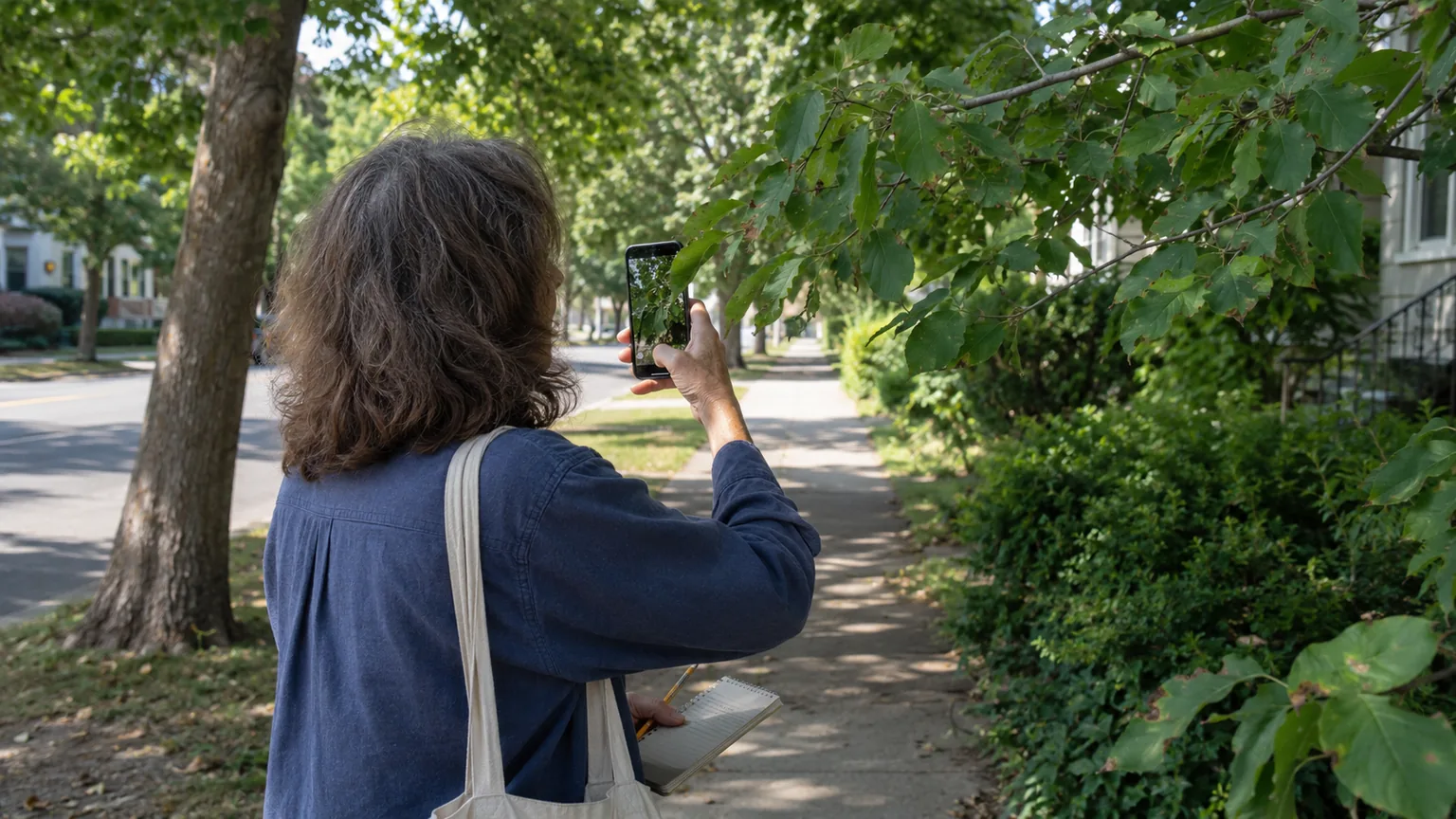
Starter: $0 with a phone. Build a ten-photo collection around one subject such as shadows, doors, pets, or street color. Cost risk: Learn framing and light before paying for filters or subscriptions.
6. Urban sketching with supplies you own
Starter: $0. Draw one nearby object or street detail with any pen or pencil for ten minutes. Cost risk: Awkward early drawings are practice, not a reason to buy better tools.
7. Bodyweight strength
Starter: $0. Repeat a short routine of controlled squats, wall or floor push-ups, hinges, and carries. Cost risk: Stop if something hurts; free online challenges are not personalized instruction.
8. Mobility or yoga practice
Starter: $0. Repeat one short beginner routine and notice which movements become easier. Cost risk: Consistency matters more than extreme poses or paid programs.
9. Birdwatching without binoculars
Starter: $0. Observe birds from a window, sidewalk, or bench and record shape, color, behavior, and place. Cost risk: Use your eyes and ears before upgrading to optics.
10. Stargazing
Starter: $0. Learn the Moon, visible planets, and one seasonal constellation before considering equipment. Cost risk: A telescope bought before you know where to look can add frustration.
11. Nature identification
Starter: $0. Photograph local plants, insects, fungi, or animals and build an observation list. Cost risk: Treat app suggestions as leads, never certainty around poisonous or edible species.
12. Language exchange
Starter: $0. Trade ten minutes of conversation or writing practice with someone learning your language. Cost risk: Choose one routine instead of collecting apps.
13. Singing
Starter: $0. Practice three songs in a comfortable range and record short clips to hear progress. Cost risk: Do not force high notes or copy a range that strains your voice.
14. Digital scrapbooking
Starter: $0 with free software. Turn a few photos and short captions into one monthly page. Cost risk: Use a narrow theme instead of duplicating your entire photo archive.
15. Volunteering
Starter: $0. Try one defined role in a cause you care about, such as tutoring, food distribution, animals, or cleanup. Cost risk: Confirm training, transport, background-check, and schedule requirements first.
Several work best with a nearby park, trail, or public space. The guide to free outdoor activities adds more no-gear options and practical ways to find them locally.
13 hobbies you can start for under $15
This band suits contained creative projects. Buy the minimum useful tool, then use scraps, swaps, and household materials.
16. Origami
Starter: $0–$8. Learn two basic folds using printer paper, reused wrapping paper, or a small square-paper pack. Cost risk: Specialty paper can wait until you finish several models.
17. Collage
Starter: $0–$10. Make one themed page from packaging, magazines, junk mail, scissors, and a glue stick. Cost risk: Keep scraps in one folder, not several maybe-someday boxes.
18. Hand lettering
Starter: $3–$12. Practice consistent letter shapes with one smooth pen and ordinary paper. Cost risk: Test one pen-and-paper combination before buying a marker set.
19. Pencil drawing
Starter: $3–$10. Use one pencil, eraser, and sketchbook to practice shape, light, and proportion. Cost risk: More pencil grades will not replace fundamentals.
20. Friendship bracelets
Starter: $5–$12. Finish one simple two- or three-color bracelet with embroidery floss. Cost risk: Complex patterns are slower and encourage buying more colors than you need.
21. An embroidery sampler
Starter: $6–$15. Learn several stitches on scrap fabric with one hoop, needle, and a few thread colors. Cost risk: Check what you already own before buying a kit.
22. Crochet basics
Starter: $5–$15. Use one hook and one inexpensive or secondhand skein to make a coaster or dishcloth. Cost risk: Do not begin with a blanket-sized yarn purchase.
23. Pressed flowers
Starter: $0–$10. Press fallen petals or garden flowers in heavy books, then make one bookmark or card. Cost risk: Collect responsibly; avoid protected plants and private gardens.
24. Plant propagation
Starter: $0–$12. Root one suitable cutting from a plant you own or swap with a friend. Cost risk: Check the species first and wait for viable roots before buying pots.
25. Bread baking
Starter: $3–$10 for a first batch. Repeat one forgiving loaf until you understand dough texture, timing, and your oven. Cost risk: Special pans and mixers are optional.
26. A one-dish cooking challenge
Starter: $5–$15 beyond normal groceries. Improve one flexible dish—soup, fried rice, sauce, or flatbread—across four attempts. Cost risk: Choose ingredients you will use elsewhere.
27. Chess or checkers
Starter: $0–$15. Play free online or with an inexpensive board, then review one mistake after each game. Cost risk: Do not confuse memorizing openings with practicing decisions.
28. Geocaching
Starter: $0–$10. Use a phone and Basic membership to find an easy nearby cache, carrying a pencil if needed. Cost risk: Some caches and app features require Premium, so test the Basic route first.
12 hobbies you can start for under $30
This range opens more hands-on and outdoor options. Secondhand availability, consumables, transport, and access can push the real cost higher, so treat the top of each range as a checkpoint.
29. Watercolor painting
Starter: $10–$25. Learn washes and color mixing with a small student set, one brush, and a small paper pad. Cost risk: Paper quality matters more than owning many colors.
30. Air-dry clay
Starter: $8–$25. Make one small pinch pot, magnet, ornament, or tray without a kiln. Cost risk: Large or thick pieces crack more easily and consume more material.
31. A macramé plant hanger
Starter: $10–$25. Use one cord bundle and a ring to learn the core knots through a useful project. Cost risk: Check cord-length estimates before choosing a large pattern.
32. Visible mending
Starter: $5–$20. Repair one sturdy cotton or denim item with contrasting thread or a patch. Cost risk: Practice before attempting delicate or stretchy fabric.
33. Thrift-flip home décor
Starter: $0–$20. Transform one frame, tray, vase, or box you already own before buying another object. Cost risk: A cart of “potential” creates clutter faster than skill.
34. A container herb garden
Starter: $10–$30. Grow one to three herbs you already cook with in reused containers with drainage. Cost risk: Confirm light needs; tiny decorative pots dry out quickly.
35. A jar terrarium
Starter: $5–$25. Build one small moss or humidity-loving display in a reused clear container. Cost risk: Too much water is a common failure; closed terrariums still need observation.
36. Disc golf
Starter: $10–$25. Learn one used or beginner-friendly midrange disc on a free public course. Cost risk: A full bag is unnecessary until one disc limits you.
37. Casual badminton
Starter: $15–$30. Borrow or buy a simple set and play in a suitable yard, driveway, gym, or park space. Cost risk: Access, a partner, and equipment durability vary, so borrow first when possible.
38. Jigsaw puzzle swapping
Starter: $5–$25. Trade with friends or buy one used puzzle and start a small swap shelf. Cost risk: Check completeness when possible and avoid storing every finished box.
39. Designing a board game
Starter: $0–$25. Prototype with index cards, paper, coins, and dice, then test whether anyone wants a second round. Cost risk: Polished artwork can hide weak gameplay.
40. Smartphone filmmaking
Starter: $0–$30. Plan and edit a one-minute story using your phone; add a small tripod only if needed. Cost risk: Solve noise and room echo before buying lenses.
10 hobbies you can start for under $50
These need more equipment, instruction, or materials. The budget works only when the first purchase is a fit test, required extras are counted, and local secondhand options are genuinely usable.
41. Basic hand sewing
Starter: $8–$25. Learn a few stitches through one repair, simple tote, or cushion cover using scrap fabric. Cost risk: Borrow or test a used machine later; a sub-$50 machine is not a reliable starting assumption.
42. Linocut printing
Starter: $25–$50. Use one small block, carving tool, ink, and brayer to make a simple card or print. Cost risk: Carve away from your hands and avoid oversized first designs.
43. Wood carving or whittling
Starter: $20–$45. Use a suitable carving knife, cut-resistant glove, and soft practice wood for one small shape. Cost risk: Kitchen knives are not carving tools; safe hand position matters most.
44. Plastic or wooden model building
Starter: $15–$50. Choose a beginner kit only after checking the required adhesive, paint, cutters, and finishing tools. Cost risk: The kit price is often incomplete; skip any model whose required extras break the cap.
45. Harmonica
Starter: $15–$40. Use one reliable beginner instrument and free lessons to learn rhythm and simple melodies. Cost risk: A novelty instrument that leaks air can make practice harder.
46. A used ukulele
Starter: $25–$50 when a playable local option exists. Test tuning stability, neck condition, and string height before buying, ideally with an experienced player. Cost risk: This estimate depends on secondhand availability; an unplayable bargain is not a bargain.
47. Cake decorating
Starter: $15–$45 for decorating tools. Practice borders and simple flowers on parchment with reusable piping bags and a small tip set. Cost risk: The estimate assumes a cake you would bake anyway and excludes extra cake ingredients.
48. Candle making
Starter: $20–$50 for one small batch. Use container-candle wax, candle-safe containers, correctly sized wicks, and measured fragrance only if needed. Cost risk: Follow supplier compatibility guidance and official candle-fire safety advice; never use random glassware or leave a flame unattended.
49. Calligraphy
Starter: $15–$45. Choose one beginner pen system and suitable paper, then practice basic strokes and spacing. Cost risk: A large ink collection is useless before you can control the pen.
50. Social dancing
Starter: $10–$50. Try one beginner drop-in class or community dance before paying for a package. Cost risk: Prices vary widely; treat the first session as a fit test, not a commitment to shoes or memberships.
How to keep a cheap hobby cheap
The cost usually rises when buying becomes a second hobby. Use these rules before upgrading:
- Complete three sessions first. Interest that survives three ordinary attempts is more useful than excitement during one shopping trip.
- Borrow the bulky item. Try the sewing machine, binoculars, instrument, carving tools, or specialty pan before owning it.
- Choose one project, not a category. Buy supplies for one embroidery sampler or one candle batch—not “everything needed for embroidery.”
- Track cost per finished session. A $30 supply that supports 20 evenings may be better value than a $10 class you attend once.
- Use a one-in, one-finished rule. Do not buy the next kit until the current project is completed, abandoned on purpose, or passed to someone else.
- Separate learning problems from equipment problems. New gear rarely fixes shaky technique.
Free resources that stretch your budget
Check these before buying a book, membership, or beginner course:
- The Library of Congress guide to free and library e-books points readers toward public-library services and other legitimate collections.
- Project Gutenberg offers public-domain books you can read online or download.
- iNaturalist helps you record and learn about plants, animals, and fungi you observe.
- NASA’s skywatching guides help beginners figure out what to look for and when.
- Geocaching HQ’s current app guide explains which features are available to basic members and which require Premium.
Local libraries, parks departments, community centers, maker spaces, faith groups, and neighborhood associations may also lend equipment or host free events. Availability varies, so check the current schedule before building a plan around one program.
When the activity is really about building a skill, the guide to learning new skills affordably adds a simple practice-plan approach without requiring a paid course.
Common questions about affordable hobbies
Your next step: test one hobby
Return to the chooser table and pick the option that best fits your actual week—not the one that sounds most impressive. Set a trial budget, schedule three 20-minute sessions, and delay every optional purchase until the third session.
Afterward, ask one question: do you want to do it again? Continue if the answer is yes, adjust the setup if the friction was fixable, or stop without guilt if it was not a fit. The goal is not to acquire a hobby identity; it is to find a repeatable way to enjoy your free time without creating financial stress.